
Air Conditioning in Darwin: What Size System Does Your Home Actually Need?
Great Northern Air Conditioning & Mechanical Services • November 12, 2026
Choosing the right air conditioner for your Darwin home depends on room size, insulation, ceiling height and humidity, not just floor area. A system that's too small may struggle to cool your space, while an oversized unit can leave rooms feeling cold but clammy.
At Great Northern Air Conditioning & Mechanical Services, we help homeowners choose
air conditioning in Darwin that suits their property and the Territory's tropical conditions.
Why Generic Size Charts Get It Wrong in Darwin
Online air conditioner sizing charts often recommend cooling capacity based on square metres. While these figures provide a starting point, they don't account for the conditions affecting individual Darwin homes.
Unlike cooler southern regions, Darwin experiences prolonged heat, high humidity and significant seasonal changes. During the wet season, air conditioners must manage both indoor temperatures and moisture levels.
Two bedrooms with identical dimensions may require different cooling capacities depending on their construction, insulation and exposure to sunlight.
A west-facing room with large windows and minimal shading, for example, may experience considerably more heat gain than a shaded bedroom of the same size.
That's why we recommend assessing your home's actual cooling requirements rather than relying entirely on generic charts.
How Many kW of Air Conditioning Do You Need for Your Room?
Air conditioner capacity is measured in kilowatts (kW), which indicates how much cooling a system can provide.
As a general starting point, common residential cooling capacities include:
- Up to 20 m²: Approximately 2 to 2.5 kW.
- 20 to 40 m²: Approximately 2.5 to 5 kW.
- 40 to 60 m²: Approximately 4 to 6 kW.
- 60 to 80 m²: Approximately 5 to 7 kW.
These are broad indicative ranges, not specific recommendations for Darwin properties. Actual requirements depend on the building's heat load, and a larger system isn't automatically better.
For example, a well-insulated 25 m² bedroom with shaded windows may require less cooling capacity than an equally sized room with direct afternoon sunlight and an uninsulated roof.
When determining how many kW of air conditioning you need, it's important to consider the complete room rather than its dimensions alone.
What Size Split System Do I Need? A Room-by-Room Guide
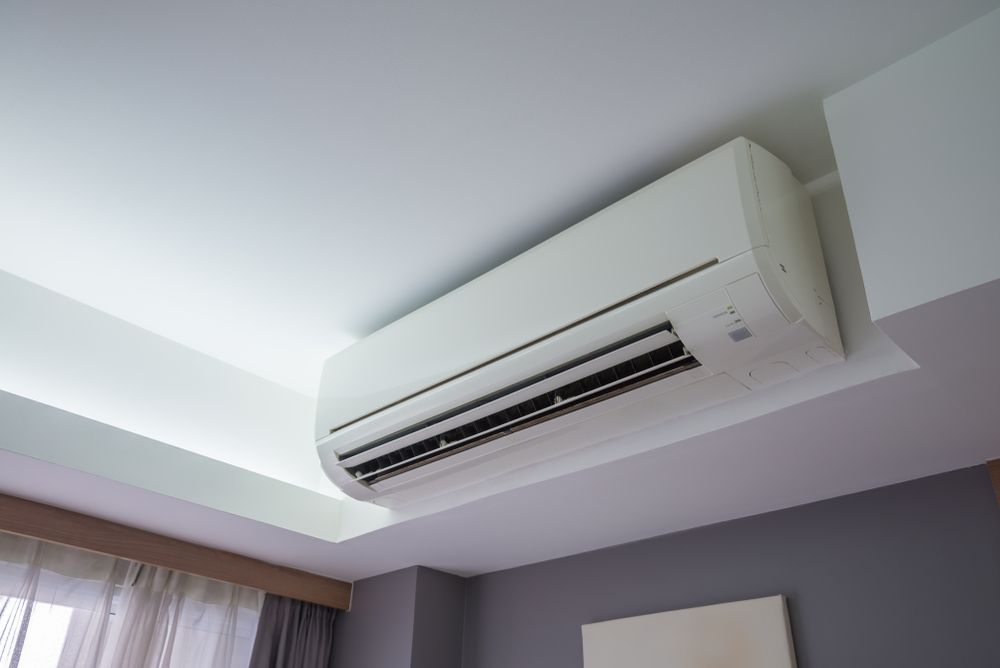
The right split system depends on how each room is used, its layout and the amount of heat entering the space. Our split systems are suitable for individual rooms and selected living areas, with capacity chosen according to the property's cooling requirements.
Bedrooms
Bedrooms generally have smaller floor areas, but factors such as afternoon sun, ceiling height and insulation can significantly affect their cooling needs. A correctly sized system should maintain comfortable sleeping conditions without repeatedly switching on and off.
Living Rooms
Living rooms often require greater cooling capacity because they're larger, accommodate more people and may connect to kitchens or dining areas. Open doorways and large windows can also increase the load on the system.
Open-Plan Areas
Open-plan spaces require particular attention because cooling must reach multiple connected areas. Furniture placement, airflow restrictions and room shape can influence whether a single split system will provide even temperatures throughout the space. For larger homes, we can also discuss alternative
residential air conditioning configurations that better suit the layout.
How Darwin’s Humidity Changes the Sizing Equation
Humidity is one of the biggest reasons air conditioner sizing in Darwin requires additional consideration.
An air conditioner handles two different types of cooling load:
- Sensible cooling: Reducing the temperature of the indoor air.
- Latent cooling: Removing moisture from the air to reduce humidity.
Both are important for maintaining comfortable indoor conditions.
During Darwin's wet season, a room can feel uncomfortable even when the thermometer shows a relatively cool temperature. This happens because high humidity makes it harder for perspiration to evaporate from your skin.
Air conditioners remove moisture as humid indoor air passes over the cold evaporator coil. Water condenses on the coil and drains away.
However, if a system is substantially oversized, it may reach the thermostat setting too quickly and stop cooling before sufficient moisture has been removed.
The result can be a room that feels cold but remains unpleasantly damp.
Correct sizing helps balance temperature control and dehumidification, particularly during periods of persistent tropical humidity.
Older Elevated Homes, High Ceilings and Poor Insulation
Darwin's residential properties vary considerably, from modern insulated homes to older elevated houses designed around natural ventilation. These differences can significantly influence air conditioning requirements.
Elevated Homes
Traditional elevated homes often feature lightweight construction, louvres and ventilation openings. Although these features can encourage airflow, gaps and poorly sealed windows may allow warm, humid outdoor air to enter when air conditioning is operating. This increases the cooling and moisture-removal workload.
High Ceilings
Higher ceilings increase the volume of air within a room. A 20 m² room with a 3.2-metre ceiling contains considerably more air than the same room with a standard 2.4-metre ceiling. This difference, combined with roof heat gain and airflow patterns, needs consideration when selecting a system.
Poor Insulation
Homes with inadequate roof or wall insulation can experience greater heat transfer from outside. Metal roofing, limited shading and large sun-exposed windows may further increase cooling demand. Before installing a larger air conditioner, improving insulation, sealing gaps or adding external shading may help reduce the cooling load.
Undersized vs Oversized: The Cost of Getting It Wrong
Both undersized and oversized air conditioners can create comfort and efficiency problems.
Problems With an Undersized System
An air conditioner that's too small may operate at high output for extended periods without reaching the desired temperature.
Potential consequences include:
- Uneven cooling across the room.
- Higher electricity consumption than expected.
- Difficulty maintaining comfort during extreme heat.
- Increased operating demands on the equipment.
Problems With an Oversized System
A significantly oversized system can cool the room too quickly, causing frequent short cycling. Short cycling occurs when the system repeatedly starts and stops rather than maintaining a suitable operating cycle. This can contribute to temperature fluctuations, inadequate moisture removal and unnecessary energy consumption.
Modern inverter systems can adjust their output, helping reduce cycling, but they still need to be appropriately sized. The goal isn't to install the largest unit available. It's to select equipment capable of maintaining consistent comfort under your home's actual conditions.
Why a Professional Heat Load Assessment Beats Guesswork
A professional heat load assessment considers the factors that determine how much cooling your property requires. Rather than relying solely on floor area, we assess relevant features of the room and building to recommend suitable equipment.
Important considerations include:
- Room dimensions and ceiling height.
- Window size, orientation and shading.
- Roof and wall insulation.
- Building materials and construction.
- Occupancy and heat-producing appliances.
- Air leakage and ventilation.
- Darwin's local temperature and humidity conditions.
For example, two neighbouring homes may have similar floor plans but different cooling requirements because one has better insulation and external shading. A proper assessment helps identify these differences before equipment is purchased. Our team can guide you through system selection and installation considerations, helping you make an informed decision. Professional installation is equally important. Our related article, the risks of DIY air conditioning installation, explains why qualified installation matters.
Why Choose Great Northern Air Conditioning for Air Conditioning in Darwin?
Great Northern Air Conditioning & Mechanical Services provides residential cooling solutions designed around the demands of Darwin's tropical climate.
With over 25 years of industry experience, our locally based team understands the challenges associated with high temperatures, humidity and varying building designs.
We provide system selection advice, installation and ongoing maintenance for homeowners across Darwin and surrounding suburbs.
Whether you're replacing an outdated unit, renovating an older property or exploring air conditioning in Casuarina, we can help you explore suitable cooling options.
Choosing the right air conditioner means balancing cooling capacity, humidity control, energy efficiency and your home's individual characteristics. A professional assessment provides a more reliable starting point than a generic sizing chart.
Ready to find the right system for your home?
Contact Great Northern Air Conditioning & Mechanical Services to discuss your cooling requirements and request a quote.
Frequently Asked Questions
Can I use one split system to cool multiple rooms?
A single split system may cool connected spaces, but effectiveness depends on the layout, airflow and room sizes. Separate systems or another configuration may provide more consistent cooling where rooms are divided by walls and doors.
Does an inverter air conditioner need to be correctly sized?
Yes. Although inverter technology adjusts compressor output to match demand, every unit has minimum and maximum operating capacities. Correct sizing remains important for comfort, efficiency and humidity control.
Should I replace my air conditioner with the same kW capacity?
Not necessarily. Changes to insulation, room layout, window coverings or household usage may affect your cooling requirements. It's worth reassessing the space before replacing an existing system.
Can ceiling fans reduce my air conditioning requirements?
Ceiling fans improve air circulation and help occupants feel cooler, potentially allowing a higher thermostat setting. However, they don't remove heat or moisture from the air, so they aren't a substitute for correctly sized cooling equipment.
Does air conditioner placement affect cooling performance?
Yes. Indoor unit positioning influences airflow distribution, while outdoor units need adequate ventilation and suitable clearance. Poor placement can reduce performance even when the system's cooling capacity is appropriate.
By Great Northern Air Conditioning & Mechanical Services
•
November 6, 2026
Compare ducted and split system air conditioning in Darwin. Explore costs, zoning and cooling to find the right fit for your home.

By Great Northern Air Conditioning & Mechanical Services
•
October 7, 2026
Discover the true cost of air conditioning in Darwin, from installation prices to key factors. Plan your budget today and get expert advice.
By Great Northern Air Conditioning & Mechanical Services
•
September 18, 2026
Discover common causes of air conditioning in Darwin leaks, learn what to watch for and prevent costly damage. Contact us today.


